
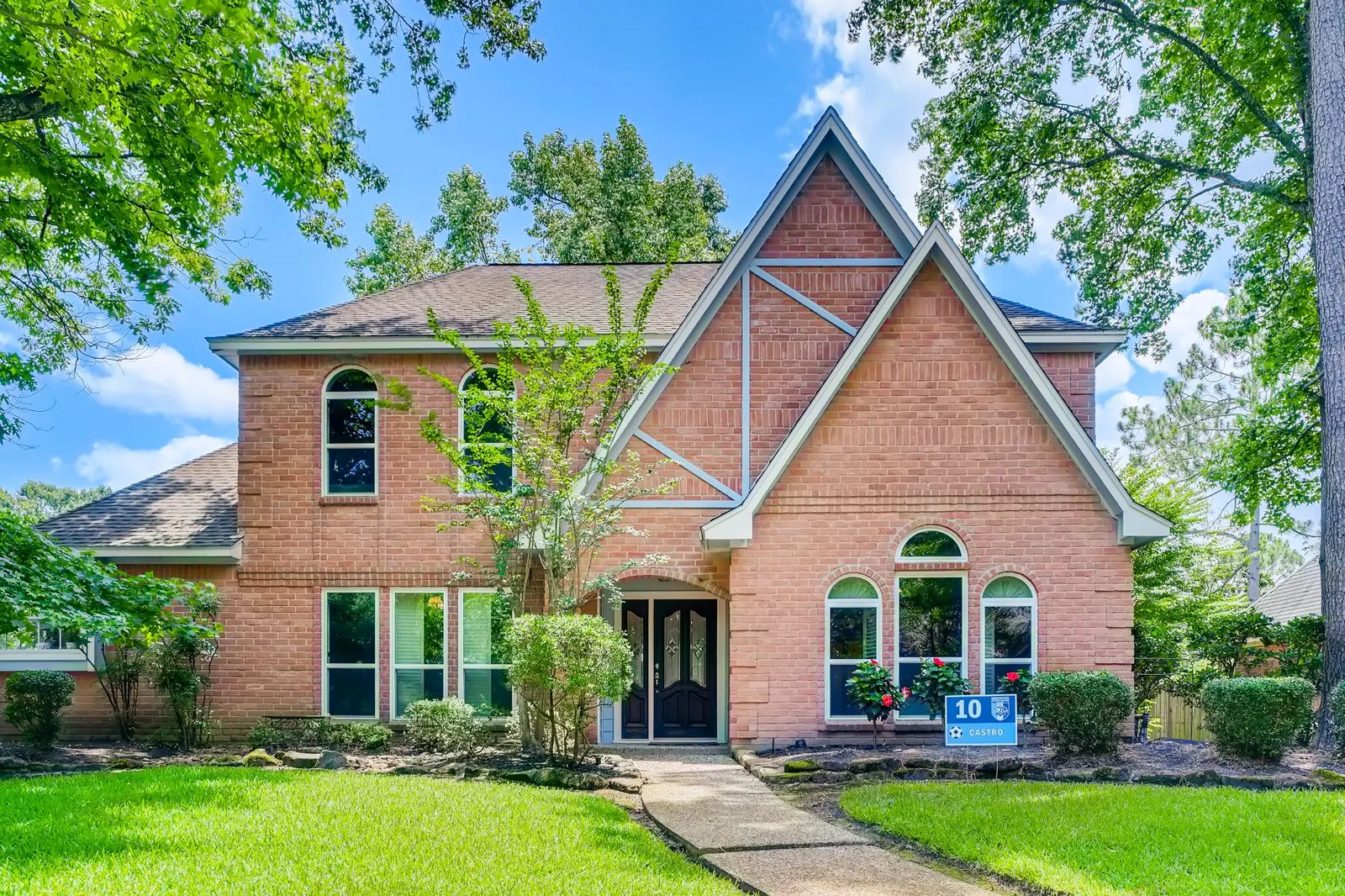
A strong Boulder listing does more than describe rooms. It helps buyers understand what daily life might look like, from getting to trails to running errands or commuting across town. Neighborhood character, outdoor access, and accurate property details can all shape a buyer’s decision. Share useful specifics rather than broad claims, and make it easy for readers to see how the home fits their priorities. Clear, grounded copy helps the right buyers take the next step.
Describe the neighborhood clearly
Give buyers a practical sense of the location. Name the neighborhood and describe nearby destinations that matter, such as grocery stores, schools, parks, transit stops, or business districts. If you mention travel times or distances, verify them and clarify whether they refer to walking, biking, or driving. Buyers can then judge the location against their own routines instead of relying on vague phrases like “close to everything.”
Include relevant context without promising a particular lifestyle. A home near a commercial area may offer convenient access to shops and restaurants, while a quieter residential street may suit buyers who value a less busy setting. Describe what can be observed or confirmed, and avoid unsupported claims about safety, schools, or future development. Accurate details build trust and help buyers decide whether to explore further.
Make outdoor access specific
Outdoor access can be an important part of a Boulder home’s appeal, but buyers need more than a trail name. Explain how nearby open space, parks, or paths connect to the property, and note the nearest access point when you can verify it. If the home has a route or public space nearby, distinguish that from private access. These details help buyers understand the options without overstating what the property includes.
Describe the home’s own outdoor spaces with equal care. Mention a deck, patio, balcony, yard, garden area, or mountain-facing view only when the feature is present and accurately represented. Clarify practical details such as whether the space is fenced, covered, or shared, if known. Well-chosen specifics help buyers picture how they might use the space across seasons and compare it with their needs.
Explain the property’s useful features
Translate property features into information buyers can use. Include the verified bedroom and bathroom count, approximate square footage, parking arrangement, storage, laundry setup, and any notable updates. Describe heating, cooling, appliances, and energy-related features accurately, and avoid implying that a feature is new or efficient without support. If a detail is unknown, leave it out or confirm it before publication rather than asking buyers to guess.
Call attention to layout and function, not just finishes. Explain whether a room could serve as an office, how the kitchen connects to shared spaces, or where guests might stay, as long as the description matches the home. Note limitations that affect use, such as stairs, shared amenities, or restricted parking, when relevant. Clear information attracts better-informed inquiries and reduces avoidable misunderstandings.
Write for the buyer’s decision
Organize the listing around the questions buyers are likely to ask: Where is the home? What is nearby? How does the layout work? What will ownership or day-to-day use involve? Lead with the most distinctive verified benefits, then provide supporting details in a logical order. Short paragraphs and concrete language make the listing easier to scan on a phone and help important information stand out.
Review every claim before the listing goes live. Check measurements, features, neighborhood references, and access details against reliable sources or property records, and coordinate with the seller or listing team when information needs confirmation. Boulder Property Copy can help shape these facts into buyer-focused property descriptions, but a useful listing starts with accurate details and a clear understanding of the home.
A useful Boulder listing connects the home to its surroundings while giving buyers a precise picture of its layout, features, and outdoor options. Verify details, avoid sweeping promises, and focus on information that supports a real decision. Review your next listing for those essentials, and consider getting professional copywriting help if you want a clearer, buyer-focused presentation.